Common Reasons Residential Stamped Concrete Cracks and Fades Over Time
Finding experienced local contractors can help repair and restore stamped concrete affected by cracks and fading caused by common wear and tear over time.
Homeowners with stamped concrete driveways, patios, or walkways often notice cracks and fading over time, which can be a common concern for property owners seeking durable and attractive outdoor surfaces. Understanding the practical reasons behind these issues can help residents make informed decisions about maintenance and repairs. Factors such as temperature fluctuations, soil movement, and exposure to the elements can all contribute to the deterioration of stamped concrete. When these problems arise, local contractors skilled in residential stamped concrete repair are equipped to address the damage and restore the appearance and integrity of the surface.
Exploring the common reasons residential stamped concrete cracks and fades over time can also highlight the importance of proper installation and ongoing care. Many property owners find that issues often stem from improper curing, inadequate joint placement, or surface wear caused by foot traffic and weather exposure. By working with experienced local service providers, homeowners can find solutions tailored to their specific needs, helping to prevent further damage and prolong the life of their stamped concrete. Continued reading can provide valuable insights into how to maintain and repair stamped concrete surfaces effectively.
- Residential stamped concrete cracks may develop over time due to ground shifting or improper installation, and local contractors can perform repairs to restore stability and appearance. Fading of stamped concrete often results from prolonged exposure to sunlight and weather, with service providers offering resurfacing options to refresh the surface. Surface deterioration caused by freeze-thaw cycles can lead to cracks and chips, which local pros can address through targeted repair techniques. Uneven settling in residential areas can create stress on stamped concrete, prompting local contractors to stabilize and reinforce the slab. Color fading and cracking over time are common issues that experienced service providers can mitigate with professional resurfacing and sealing solutions.
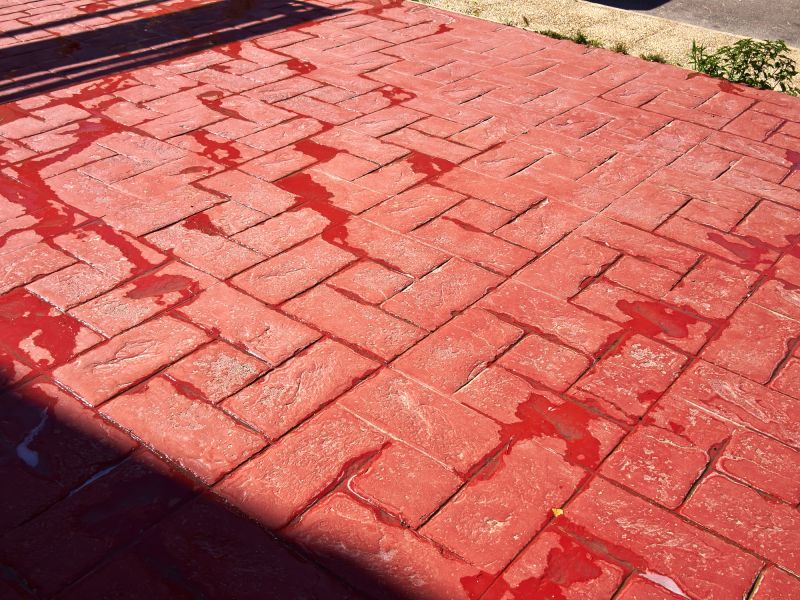
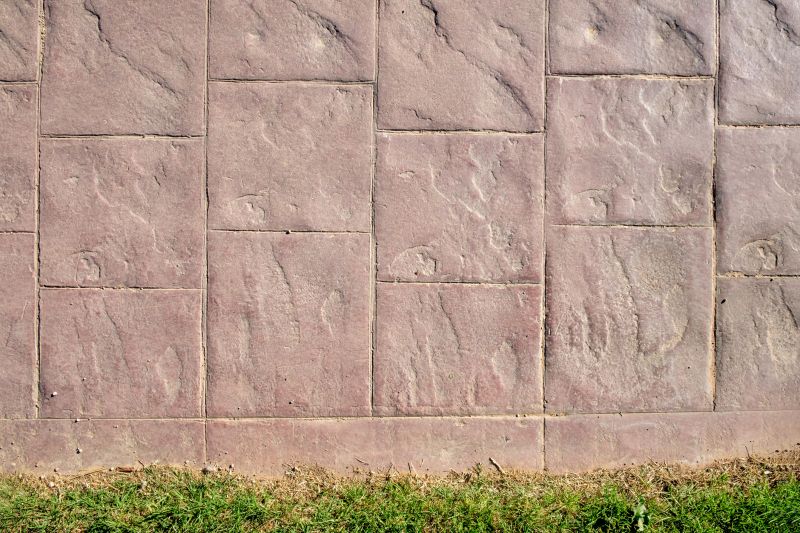
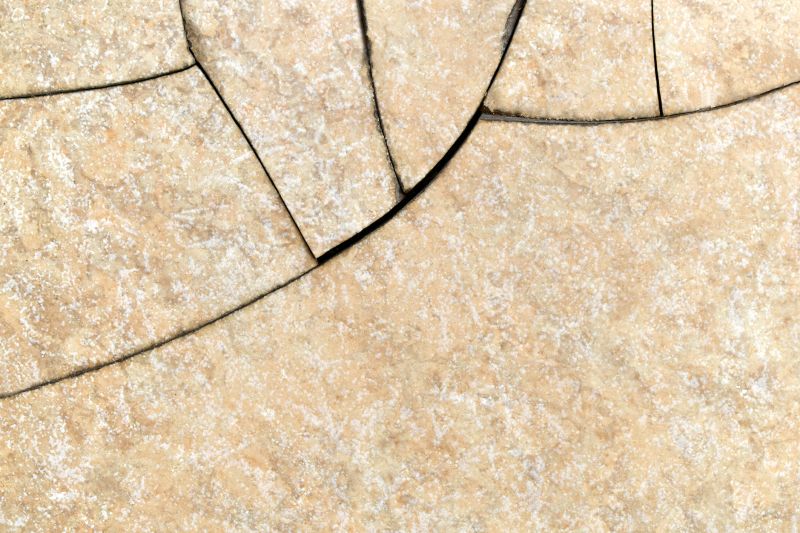
When homeowners search for information about common reasons residential stamped concrete cracks and fades over time, they are typically trying to understand why their decorative concrete surfaces are showing signs of damage or deterioration. This topic often comes up during planning or maintenance phases for driveways, walkways, patios, or pool decks that feature stamped designs. People are usually concerned about preserving the appearance and functionality of these surfaces, especially since stamped concrete is a popular choice for adding aesthetic appeal to residential properties. Understanding the causes behind cracking and fading helps homeowners decide whether repairs or resealing are necessary, and it emphasizes the importance of professional services that specialize in stamped concrete repair.
This subject is closely related to issues that arise in property planning, renovation projects, or routine upkeep. Cracks in stamped concrete can compromise the surface’s integrity, creating tripping hazards or allowing water intrusion, which can lead to further damage. Fading, on the other hand, diminishes the visual appeal of the stamped pattern and color, often prompting homeowners to consider resurfacing or sealing. These problems are common in properties where stamped concrete is used for patios, driveways, or pool surrounds, and they often signal the need for expert assessment and intervention. Local service providers experienced in stamped concrete repair can evaluate the extent of damage, recommend appropriate solutions, and help restore the surface’s original beauty and durability.
The types of properties that typically encounter issues with cracked or faded stamped concrete include single-family homes, townhouses, and small residential complexes. These properties often feature stamped concrete for outdoor living areas, enhancing curb appeal and providing a low-maintenance surface. The age of the concrete, exposure to harsh weather, and usage patterns can all influence how quickly cracks develop or colors fade. For instance, driveways and walkways subjected to frequent vehicle traffic or heavy loads are more prone to cracking, while outdoor surfaces exposed to sunlight and moisture may experience more rapid fading. Recognizing the specific conditions of a property helps homeowners understand why these problems occur and when professional repairs might be needed to prevent further damage.
Understanding common reasons residential stamped concrete cracks and fades over time enables homeowners to make informed decisions about maintenance and repairs. Local contractors who specialize in stamped concrete repair are equipped to address these issues effectively, whether through crack filling, surface leveling, or resealing to restore color vibrancy. These professionals can evaluate the condition of a stamped concrete surface, identify underlying causes such as improper installation, soil movement, or weather-related stress, and recommend targeted solutions. Connecting with experienced service providers ensures that property owners can preserve the aesthetic appeal and structural integrity of their stamped concrete surfaces, extending their lifespan and maintaining the value of the property.
Concrete sealing projects - professionals experienced in sealing concrete surfaces can help prevent fading and cracking caused by exposure to the elements, ensuring longevity of stamped concrete.
Foundation repair services - these projects involve understanding soil movement and structural issues that can lead to cracks in stamped concrete over time.
Driveway resurfacing - local contractors skilled in resurfacing can address surface wear and cracks, restoring the appearance of stamped concrete driveways.
Patio installation and repair - experts in patio work can manage issues related to cracking and fading, helping to maintain the aesthetic appeal of stamped concrete outdoor spaces.
Concrete restoration services - specialists in restoring aged or damaged concrete surfaces can effectively repair cracks and prevent further deterioration of stamped concrete.
Surface preparation and leveling - these skills are essential for addressing underlying issues that contribute to cracking and fading in stamped concrete over time.
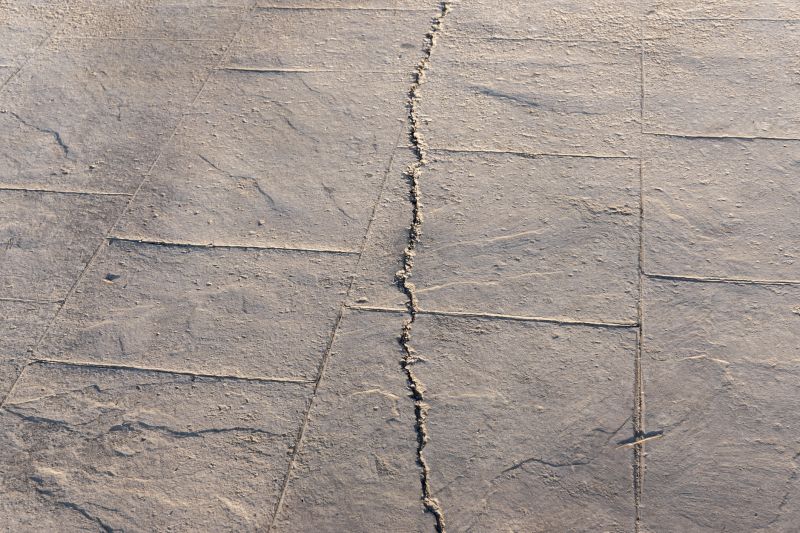
When evaluating residential stamped concrete repair services, it is important to consider the experience of local contractors with similar projects. An experienced service provider will have a better understanding of common reasons residential stamped concrete cracks and fades over time, as well as effective methods to address these issues. Asking for examples of past work or references related to stamped concrete repairs can help gauge whether a contractor has successfully handled projects with similar characteristics and challenges, ensuring that they are familiar with the specific needs of stamped surfaces that have experienced cracking or fading.
Clear written expectations are essential when comparing local contractors for stamped concrete repair. A reputable service provider should be able to provide detailed descriptions of the scope of work, materials to be used, and the steps involved in repairing cracks or restoring faded areas. This transparency helps ensure that homeowners understand what to expect and can compare proposals effectively. Well-defined expectations also reduce the likelihood of misunderstandings or surprises during the project, contributing to a smoother repair process and a more satisfactory outcome.
Good communication and reputable references are key factors to consider when choosing local contractors for stamped concrete repair. Service providers who are responsive and willing to answer questions demonstrate professionalism and a commitment to customer service. Additionally, seeking references or reviews from previous clients can provide insights into the contractor’s reliability, quality of work, and ability to meet project needs. Strong communication and positive references can help homeowners feel confident that the contractor understands the importance of addressing common issues like cracking and fading effectively, ensuring the longevity and appearance of their stamped concrete surfaces over time.
Property owners often search for common reasons residential stamped concrete cracks and fades over time when they are planning practical projects around their homes and businesses. Local pros provide Residential Stamped Concrete Repair services for everyday jobs and straightforward project options.
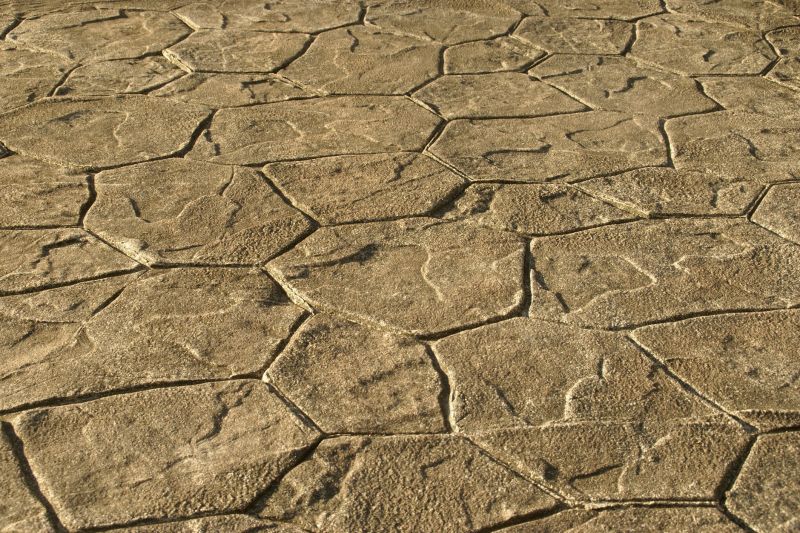
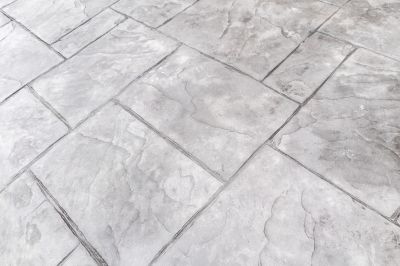
Many residential stamped concrete surfaces experience cracking and fading over time due to common issues encountered during everyday projects. Heavy foot traffic, frequent vehicle use, or outdoor furniture can cause stress on the surface, leading to cracks or surface deterioration. Additionally, improper installation techniques, such as inadequate base preparation or incorrect mixing of materials, can contribute to early signs of cracking and fading. Property owners noticing these issues often consider residential stamped concrete repair services to restore the appearance and functionality of their outdoor spaces.
Environmental factors also play a significant role in the aging process of stamped concrete. Exposure to fluctuating weather conditions, including freeze-thaw cycles, moisture, and UV rays, can accelerate fading and cause cracks to develop. Over time, natural wear and tear from regular use can weaken the surface, making repairs necessary to maintain its aesthetic appeal. Local contractors experienced in stamped concrete repair can assess these common causes and provide solutions to help preserve the durability and look of stamped concrete surfaces.
What are common reasons residential stamped concrete cracks over time? Cracks in stamped concrete often occur due to soil movement, improper installation, or inadequate curing processes that cause stress and separation in the surface.
Why does residential stamped concrete tend to fade over time? Fading typically results from prolonged exposure to sunlight, weathering, and the loss of protective sealers, which can diminish the vibrancy of the stamped pattern.
Can poor drainage contribute to cracking and fading of stamped concrete? Yes, poor drainage can lead to water pooling and soil instability beneath the surface, increasing the likelihood of cracking and accelerated fading.
How do environmental factors impact the longevity of stamped concrete? Environmental factors like freeze-thaw cycles, moisture, and UV exposure can cause the concrete to crack and the colors to fade if not properly protected or maintained.
What role do local contractors play in repairing cracks and restoring faded stamped concrete? Local contractors can assess underlying issues, perform repairs, and apply treatments to prevent further damage, helping to extend the lifespan and appearance of residential stamped concrete.
Understanding soil movement - property owners can work with local contractors to assess soil stability and prevent future cracking by addressing ground shifts before applying stamped concrete.
Choosing appropriate sealers - consulting with local pros about sealers that resist fading and cracking can help maintain the appearance of stamped concrete over time.
Proper installation techniques - ensuring that local contractors follow best practices during installation can reduce the risk of early cracking and fading due to improper curing or surface preparation.
Controlling environmental exposure - property owners can plan for drainage and protection measures with local pros to minimize damage caused by weather and temperature fluctuations.
If you are thinking about common reasons residential stamped concrete cracks and fades over time for a property, this guide is meant to help you understand this topic, the typical project types, and how different options might fit your plans.
When you are ready, you can use the quote form on this page to share a few details about your project. From there, local pros can review the basics and follow up with options that match what you have in mind.